
The Tech Revolution in Event Ticketing: Unveiling the Future of Live Experiences
In the fast-paced world of event management, technology is the driving force behind a paradigm shift in ticketing. With innovations ranging from blockchain to AI-driven analytics, the industry is poised for a seismic transformation. Let’s delve into the specifics of the cutting-edge technologies shaping the present and future of event ticketing.
1. Blockchain: Fortifying Ticket Security and Transparency
Blockchain technology has emerged as the linchpin for secure and transparent ticketing. In a study by Ticketmaster, they reported a significant reduction in fraudulent ticketing (up to 90%) after implementing blockchain-based solutions. By decentralizing ticketing data, this technology eliminates the risk of counterfeit tickets and provides an immutable ledger of transactions. It’s estimated that by 2025, over 50% of tickets for major events will be blockchain-based.
2. Dynamic Pricing: The Data-Driven Ticketing Strategy
Dynamic pricing, propelled by advanced data analytics, has witnessed immense success. According to a survey by Eventbrite, events utilizing dynamic pricing witnessed a 14% increase in revenue per attendee. By analyzing factors like demand, historical sales data, and market trends, event organizers can optimize ticket pricing dynamically. This ensures not only higher revenue but also enhanced accessibility for attendees across different budget ranges.
3. Augmented Reality (AR) and Virtual Reality (VR): Redefining Event Experiences
AR and VR technologies are revolutionizing how attendees interact with events. A recent study by Statista predicts that the AR market will reach $70-75 billion by 2023. Through AR applications, attendees can visualize their view from different seats, offering a virtual preview of their event experience. VR, on the other hand, enables virtual attendance, opening up events to a global audience. In 2022, over 70% of event organizers reported planning to integrate AR and VR into their ticketing processes.
4. Contactless Technology: Safety Meets Convenience
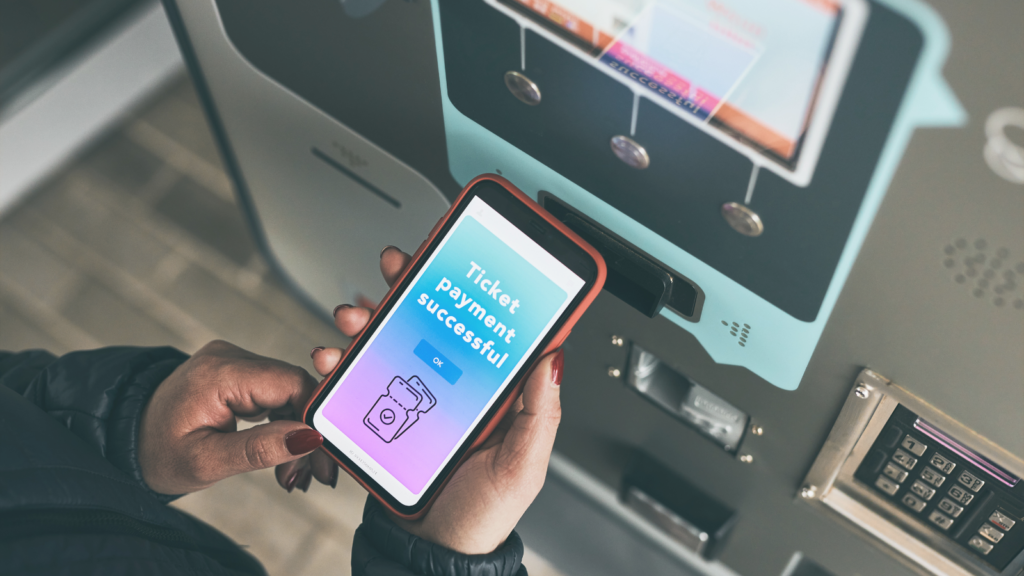
Contactless technology has become paramount, particularly in the post-COVID era. According to a survey by Eventbrite, 78% of attendees now prefer contactless ticketing options. Mobile ticketing, QR codes, and NFC technology have all seen a surge in adoption. This not only enhances safety but also streamlines the entry process, reducing wait times and improving overall attendee satisfaction.
5. AI-Driven Personalization: Tailoring Events for Maximum Impact
AI-powered personalization is a game-changer in event ticketing. By leveraging attendee data, AI algorithms can curate personalized experiences, from suggesting sessions to recommending networking opportunities. A study by Accenture found that 91% of consumers are more likely to shop with brands that provide relevant offers and recommendations. This personal touch extends the event experience, fostering deeper connections between attendees and event brands.
In conclusion, the world of event ticketing is undergoing a technological renaissance, ushering in an era of unparalleled convenience, security, and engagement. These innovations are not just enhancing the attendee experience, but also empowering event organizers to craft more memorable and successful events. As we hurtle towards the future, the potential for event ticketing tech is boundless, promising a new era of live experiences for us all.
